

Oops, still lions: A brief study in cause and effect

Here, on the open plains of modern civilization, we observe one of nature’s most misunderstood creatures—the Law Enforcement Officer.
At a distance, the officer appears calm. Majestic, even. A uniformed apex mammal, resting beneath the fluorescent sun of institutional authority. Notice the posture is upright, alert, trained. This creature has evolved over centuries to protect its territory, its hierarchy, and most importantly, the illusion that everything is under control.
But illusion, as always, is fragile.
Enter the human. They possess a rare combination of moral theory and a deeply aspirational relationship with risk assessment. They believe, quite sincerely, that systems centered around control can be safely confronted at the precise moment those systems feel most threatened.
Nature, we should note, does not share this belief.
In a move common across ecosystems, the human commits a classic error—mistaking momentum for invincibility—by cutting off the lion.
This behavior is rarely intentional. More often it is impulsive, hurried, or born of mild inconvenience. A fleeting thought of I’ll just squeeze in here.
The lion, however, register this as a challenge.
The agents approach. At this stage, survival hinges on a single, ancient rule, shared across species and eras alike:
Stillness de-escalates. Flight confirms danger.
And here, as always, nature waits patiently to see whether the human remembers which world they are in.
This time, the human attempts an age-old survival tactic: flight. A bold choice.
To the lions, this is received not as an escape attempt, but as a helpful update.
“Oh good,” they seem to say. “Movement.”
The game, previously theoretical, is now very much afoot.
And so the lions respond in the manner for which lions are internationally renowned. When their pride is challenged, they do not convene a panel concerning themselves with optics. They neutralize the threat.
Later, humans will describe this outcome as “shocking.” This is fascinating because it is the least surprising thing that could have happened.
Now observe the raising of the phone. These humans believes they have stumbled upon something deeply unsettling about predators, armed with the absolute conviction that:
“If I show the lion that it is being a lion, it will stop being a lion.”
This belief is unique to humans and utterly baffling to every other species.
The lion, for example, does not later watch the footage and think, Wow. That’s not who I want to be.
At this point, the mauled human undergoes a remarkable transformation. They are no longer a person who cut off a predator, panicked, and made a catastrophic decision.
They are now a symbol drifting gently through the internet highway, detached from sequence, context, and causality, while the system that produced the lions remains exactly where it was—unchanged, unbothered, and still very much operational.
And then, quite unexpectedly, something else happens.
As you scroll absent-mindedly through your feed, you unlock a new ability. You can now see those strange skeletal horses from Harry Potter. You know the ones:
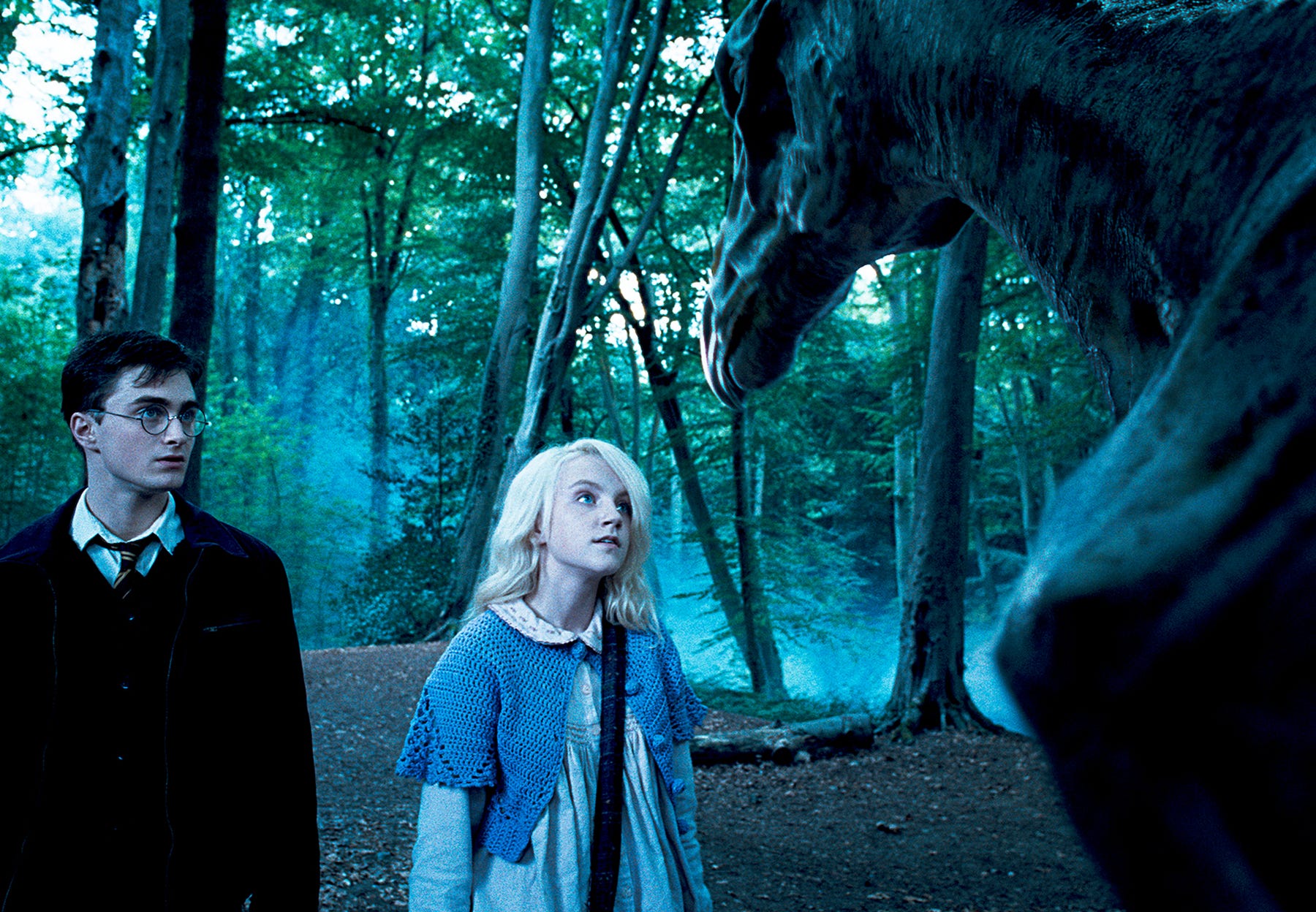
“I never noticed these before.”
Correct. That’s because you hadn’t watched someone die yet. The horses were always there, pulling the carriage.
Was that Joseph Campbell changing the kitty litter within the pages of Where the Wild Things Are?